
In early April, when the Nasdaq dropped 20% from its high amid panic over President Donald Trump’s dramatic tariffs announcements, cries that a recession was coming were abundant.
It’s now four months later and the recession hasn’t come. The stock market is up, unemployment remains unchanged and inflation in most sectors is down slightly so far this year.
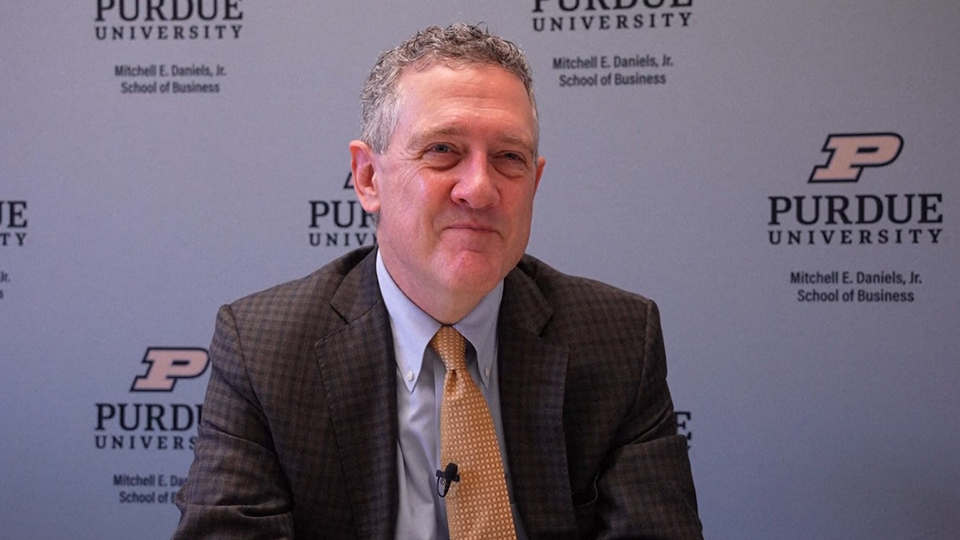
In fact as of late July, the risk of a recession is only slightly higher than normal, according to Jim Bullard, the dean of the Mitch Daniels School of Business at Purdue University. Despite the uncertainty caused by the Trump administration’s decisions to impose higher tariffs, then reverse them or reduce them only to impose some again, Bullard said markets are beginning to settle, especially as Trump hashes out new deals with several countries.
Just this week, the administration struck a deal with the European Union that will impose a 15% base tariff on most products imported from Europe.
“It’s not particularly high recession risk at the moment,” Bullard said in an interview with the Associated Press. “The main concern during the first half of the year has been the global trade war and that the global trade war might spiral out of control somehow. And then that might cause global recession. That, so far, has not occurred. And it looks like cooler heads are going to prevail and we’ll get some settling.”
Bullard is the former president and CEO of the Federal Reserve Bank of St. Louis.
He said one reason tariffs—or the threat of them—haven’t brought the economy to a halt is that inflation has remained relatively low. For more than a year, there’s been debate about whether the Federal Reserve should lower interest rates, though the Fed members appear unlikely to do so at a meeting this week.
Bullard said the economy is in a good spot and that the interest rate is “a little bit higher than it needs to be probably.” However, other economists credit Fed Chair Jerome Powell with holding fast on rates, saying that deflation can help combat the impact of Trump’s trade actions.
Last week the Bureau of Labor Statistics reported the quickest growth on the price of core goods, excluding automobiles, in three years.
Also slowing the tariff impact is the fact many companies stockpiled inventory in the spring ahead of the expected tax hikes. And some companies, including automakers, have eaten the tariff costs for now, though they may switch their strategy as they continue to lose revenue.
Bullard said he takes heart in continued low unemployment numbers, which buoy the economy. The unemployment rate for June sat at 4.1%—which Bullard believes is a sign the labor shocks caused by the COVID-19 pandemic are no more.
“Many, many people would say that that would be the natural rate of unemployment in the U.S.—that would be the rate that you would normally expect from certain amount of churn in labor markets,” he said. “I think we have a very robust labor market. And I think we’re fully past the whole pandemic era. The pandemic era caused tremendous disruption in labor markets. But I think most of that is behind us now.”
Whether the unemployment rates say enough for the Fed to lower rates at its July meeting will be the focus of economists in the coming days.