
‘A complete reimagining’: Officials celebrate IMS Museum’s $60.5M renovation
Subscriber Benefit
As a subscriber you can listen to articles at work, in the car, or while you work out. Subscribe NowFor the first time since November 2023, race fans can start their engines and visit the Indianapolis Motor Speedway Museum, while museum officials are looking at the potential economic impact.
“My favorite part now is just watching people’s reaction when they walk in here. There’s not one square foot that hadn’t been transformed in some way,” IMS Museum President Joe Hale told Inside INdiana Business. “It’s been a complete re-imagining of this museum to, as you say, be more immersive, participatory, interactive, educational, but also entertaining.”
During the 17-month renovation, the museum added 40,000 square feet of space to showcase more of the over 55,000 artifacts in the museum’s collection.
“It’s completely transformed the way we tell the Indianapolis Motor Speedway story. I think people are going to be really blown away with what this museum does for the Speedway but frankly what it does for our community and our state,” IMS and IndyCar President Doug Boles said. “This is just another one of those really cool moments as we lead into the month of May and Indy 500.”
The museum opened in its current location in 1976, and Boles says this project has been talked about for five years. It features seven permanent and three rotating galleries.
“We’re promoting the 500 and when there’s nothing else happening on the track, people can come here and really get a sense of what the 500 is about,” Hale said.
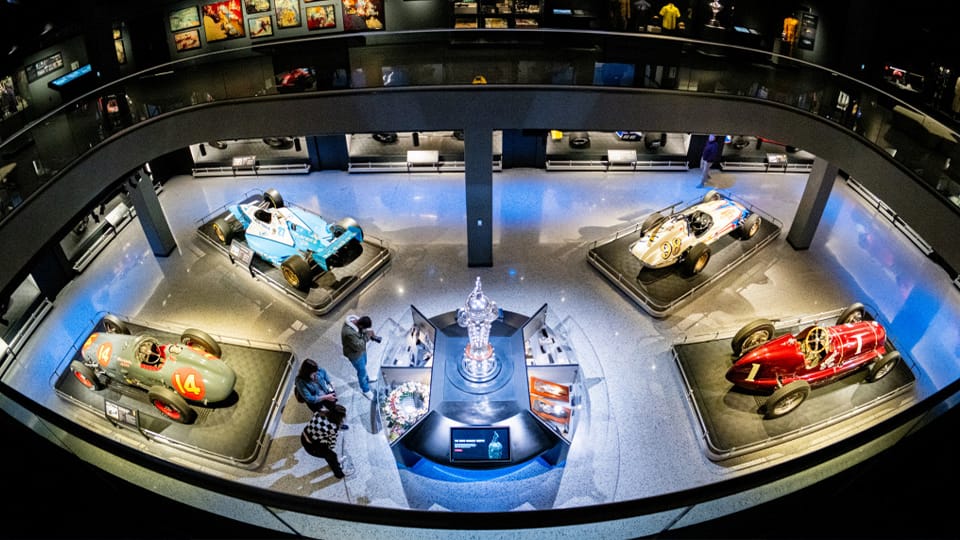
Chris Gahl, executive vice president of Visit Indy, says the new museum celebrates the culture, art, entertainment and history of IMS.
“We get requests from all over the world on how can a visitor experience the Indy 500 if they can’t be here on race day? That has happened for decades,” Gahl said. “[With] this hands on, very tangible experience, we’re able to continue to point visitors into this space year-round to celebrate what we’re most known for, what we’re synonymous with: the Indy 500.”
Education focus
In addition to museum improvements, about $25 million was put into creating a dedicated educational curriculum and new programs, along with a space focused on science, technology, engineering, art and math learning.
The hope is that the next generation of students will spark an interest in jobs within the motorsports industry.
“We have a new innovation workshop here that really will tell kids in middle school and high school that there are lucrative careers being created right here in Indianapolis,” Hale said. “If they take the right math and science classes, they’ll qualify for some of those apprenticeships.”
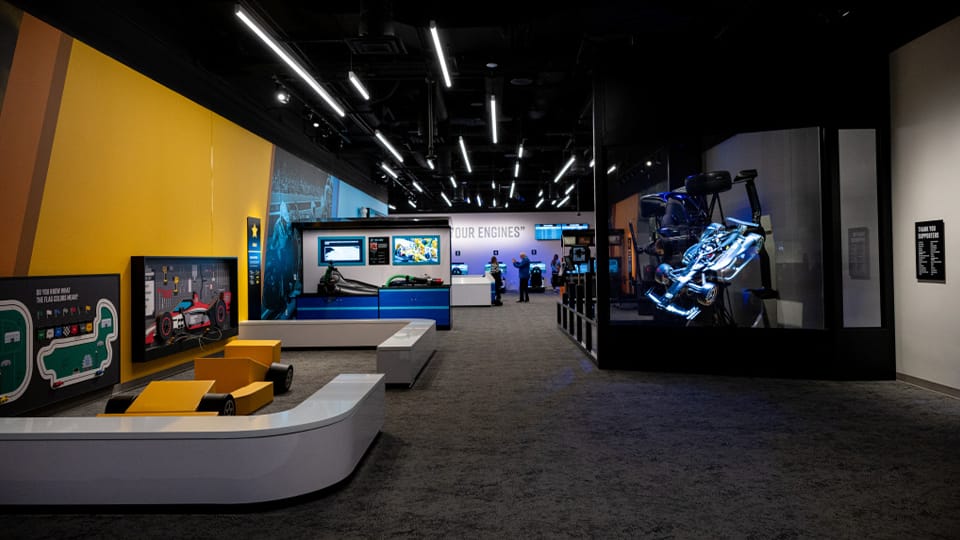
The Qualifying Zone features several hands-on activities, and the Allen Whitehill Clowes Foundation Innovation Workshop will host field trips and summer camps.
“I’ve been in education for 15 years, and I just firmly believe that learning is what powers you,” Jake Apollos, the museum’s first director of education, said. “If you can ask the right question and then find the right answer, it turns into something … I really want people to come in and find a question or a problem they can solve that then stimulates a passion that now they have connected to the racing world and beyond.”
Apollos tells Inside INdiana Business during April and May, 3-4,000 students are expected to visit the museum. The museum is also working with local race teams to find out what career areas are in high demand.
“We know for a fact in the next five to 10 years, mechanics will be a high need position at Ganassi Racing or Penske as our current generation kind of retires out of the field. We built the different skills into some of our activities,” Apollos said. “It’s an ever-evolving space that, as people come to us and say ‘hey, we really need this or we need this skill,’ we [can] create and we build [something] that will manifest for those people.”
READ MORE: Q&A with Jake Apollos
A focus on accessibility
More than 180 people, from architects to fabricators to construction staff, spent over 164,000 work hours working on the renovation. Part of that time was spent thinking of ways to make the museum more accessible to all racing fans.
In addition to ramps and elevators, there’s a new wellness room and wheelchair-friendly racing simulator controlled fully by the steering wheel instead of the pedals.
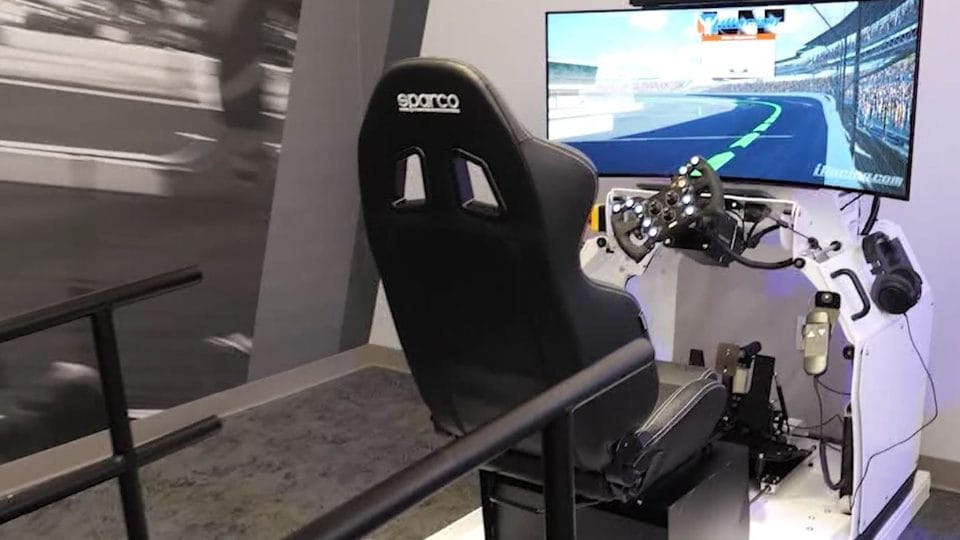
“This is definitely a way to even create more fans and offering more to everybody,” Mandi Bender, museum vice president of operations, said. “Even on the employment side of things, having our tour desk counter at an ADA height so we can open up more jobs to folks and everything in that nature. We always want to welcome our fans and create new fans.”
Roger Penske’s legacy
Roger Penske bought the Indianapolis Motor Speedway in 2019 and stopped by the museum’s Penske Gallery after last week’s ribbon cutting.
“This is one of the things that when you have the artifacts that we have, to be able to show them in this particular environment is amazing,” Penske said. “The things that we brought here – the engines, the uniforms, the rings and of course some really iconic cars are amazing.”
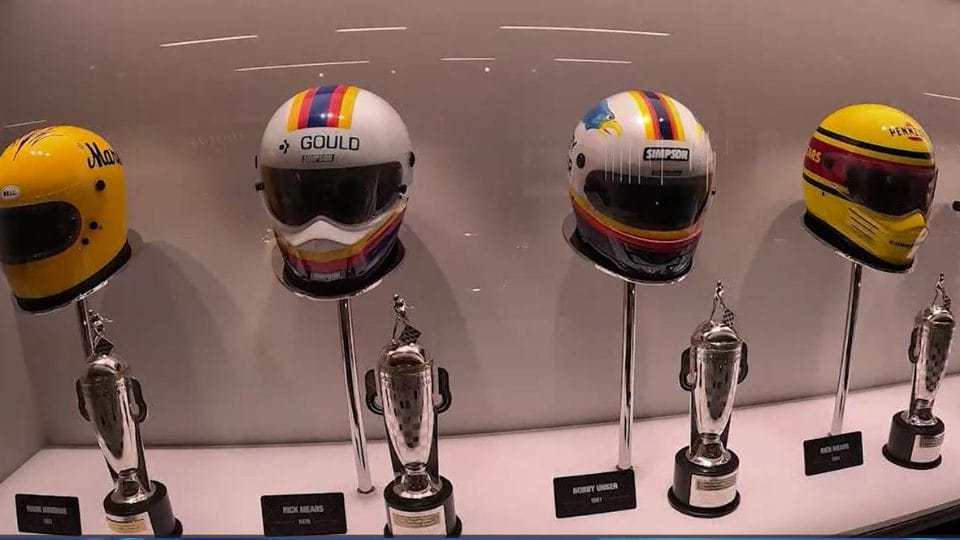
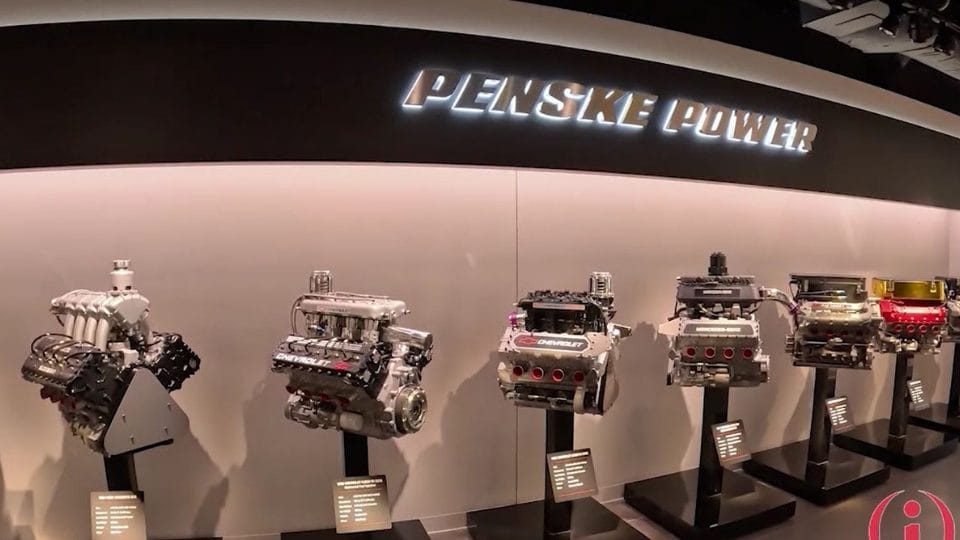
From race tickets to eight Indianapolis 500 winning engines, the Penske Gallery highlights the team’s 20 wins and its legacy.
“I saw it complete back in Detroit – we actually mocked this up in a warehouse to try to get everything right,” Penske said. “I think the real credit should go to the IMS Museum board of directors and the staff … to be able to transform it into this is very exciting … we’re just part of what’s happening here. We’re excited.”
The museum is open daily. For more information, click here.